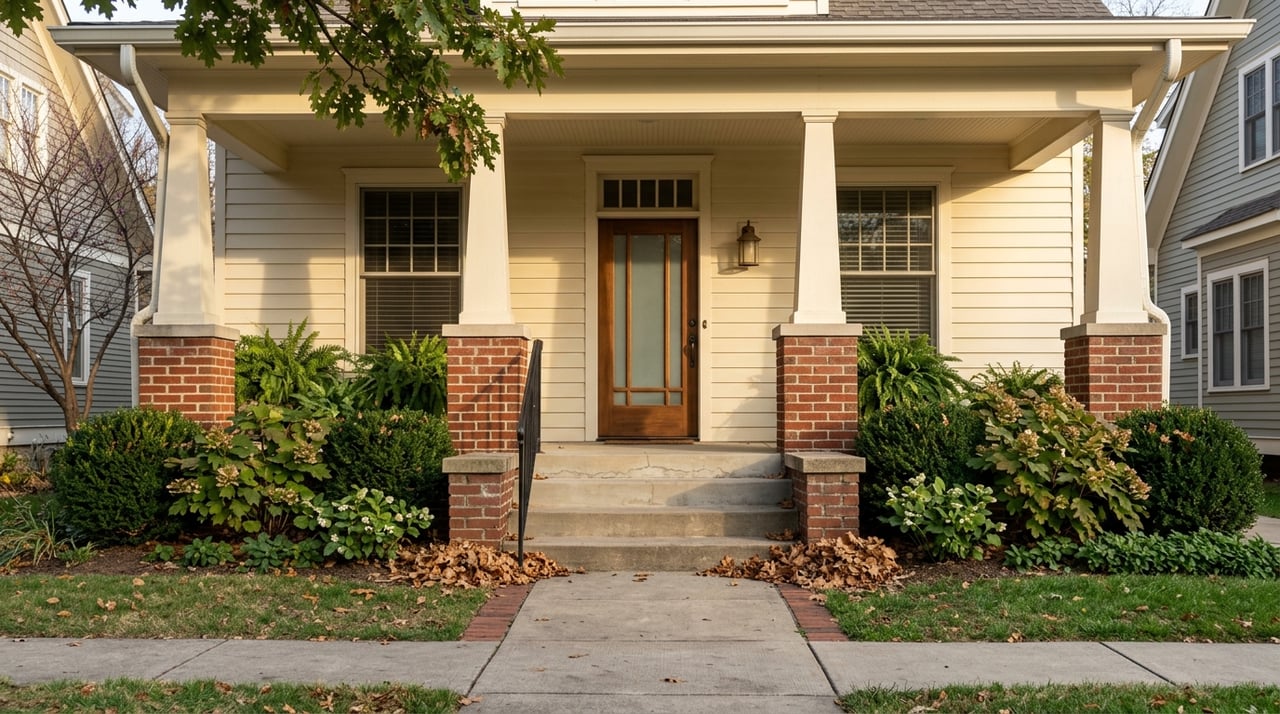
Wondering what gives Takoma Park its pull? In a region full of close-in suburbs, this small city stands out for its front porches, mature trees, trail access, and a local rhythm that feels both lively and grounded. If you are thinking about buying, selling, or simply getting to know the area better, this guide will walk you through what makes Takoma Park distinct and why so many people are drawn to its blend of history, convenience, and everyday community life. Let’s dive in.
Why Takoma Park Feels Different
Takoma Park is compact, but it does not feel cramped. The city covers about 2.09 square miles and had an estimated population of 17,260 as of July 1, 2025, which creates an urban level of density softened by hills, large trees, and established residential streets. That balance is a big part of the charm.
The city borders Washington, D.C. on the south, so you get a close-in location with a character that feels more layered than cookie-cutter. Takoma Park also has deep roots, dating back to 1883 as one of the first railroad-accessible suburbs in the D.C. area. That history still shows up in the streetscape, the housing stock, and the pace of local life.
Historic Homes Shape the Streetscape
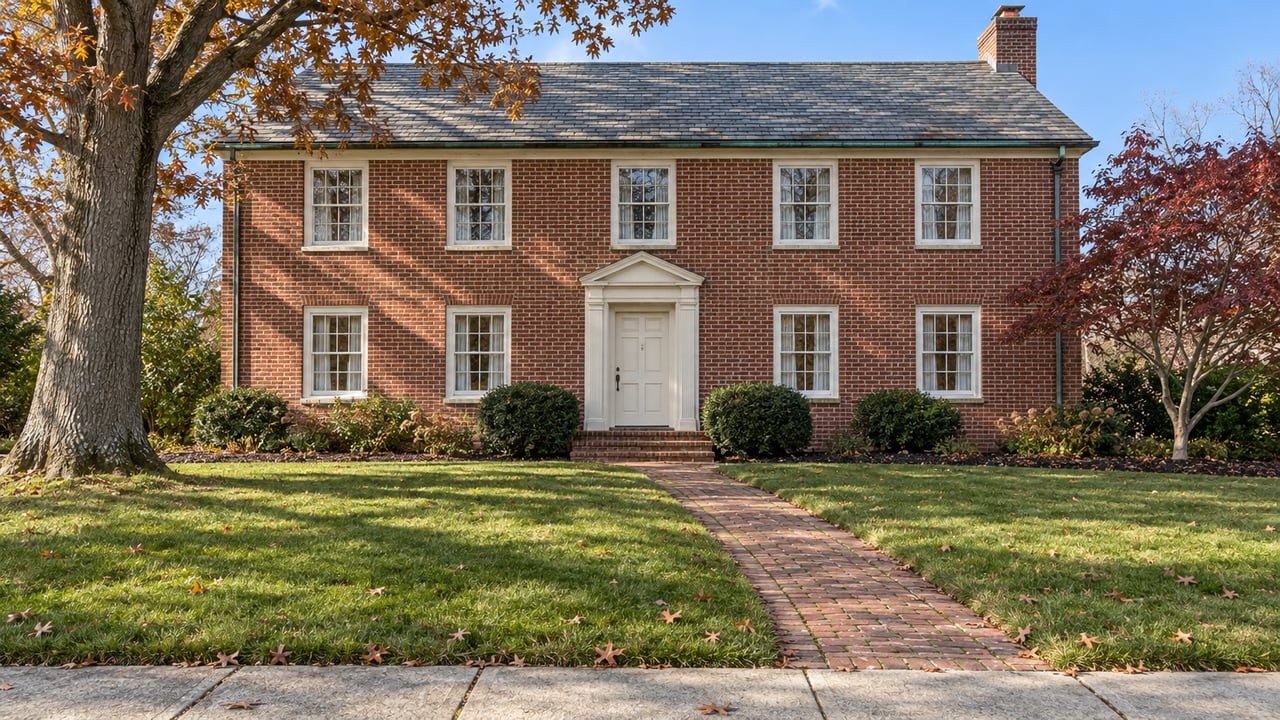
One of the first things you notice in Takoma Park is that the homes do not all look the same. The city includes historic bungalows, Victorians, modest Colonials, ramblers, and apartment buildings of different sizes, which gives the area a varied, lived-in feel rather than a single planned style. For buyers, that means more architectural personality. For sellers, it means presentation and pricing need to reflect the specific story of your home.
Takoma Park was incorporated in 1890, and its historic identity remains a meaningful part of the city today. The National Register record describes a residential community with Queen Anne, Georgian Revival, and bungalow architecture, along with early-20th-century commercial buildings. In a small city, that kind of architectural range has a big visual impact.
There are also smaller historic pockets within Takoma Park. One example is the Takoma Avenue Historic District, which includes five Charles Goodman-designed houses. Details like that help explain why a short walk through the area can feel surprisingly rich in design and history.
Why Porches Matter Here
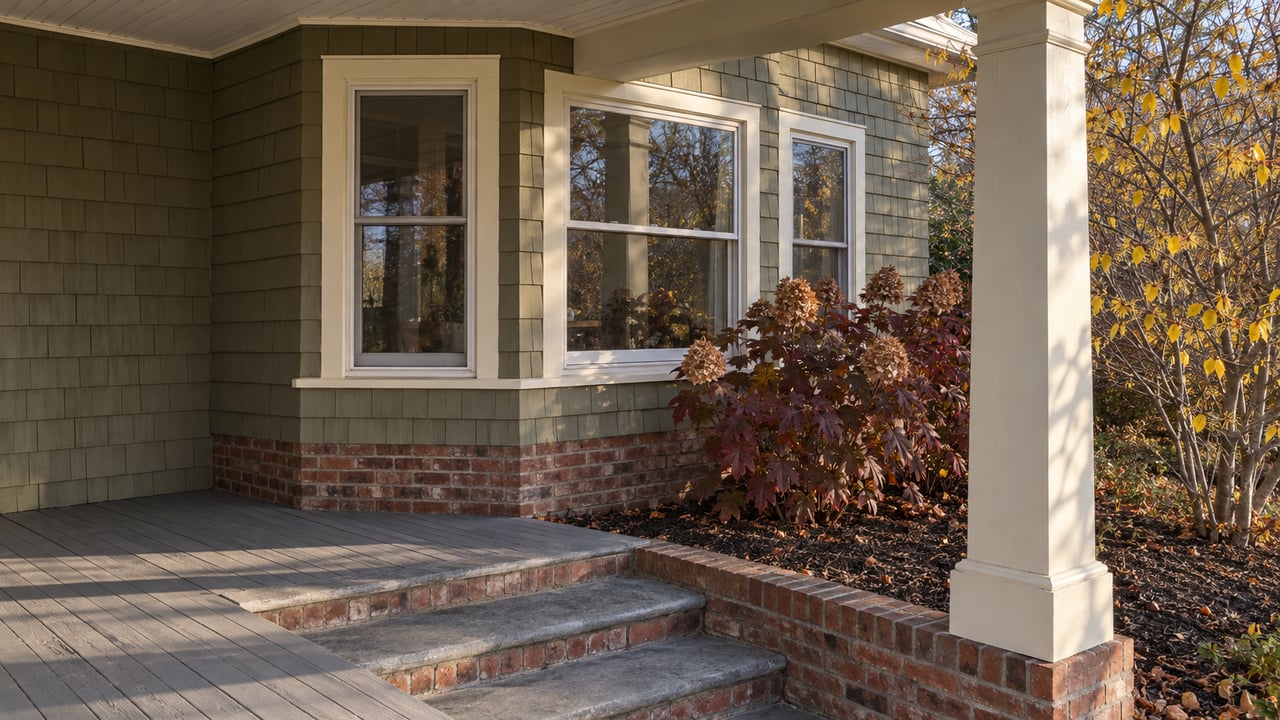
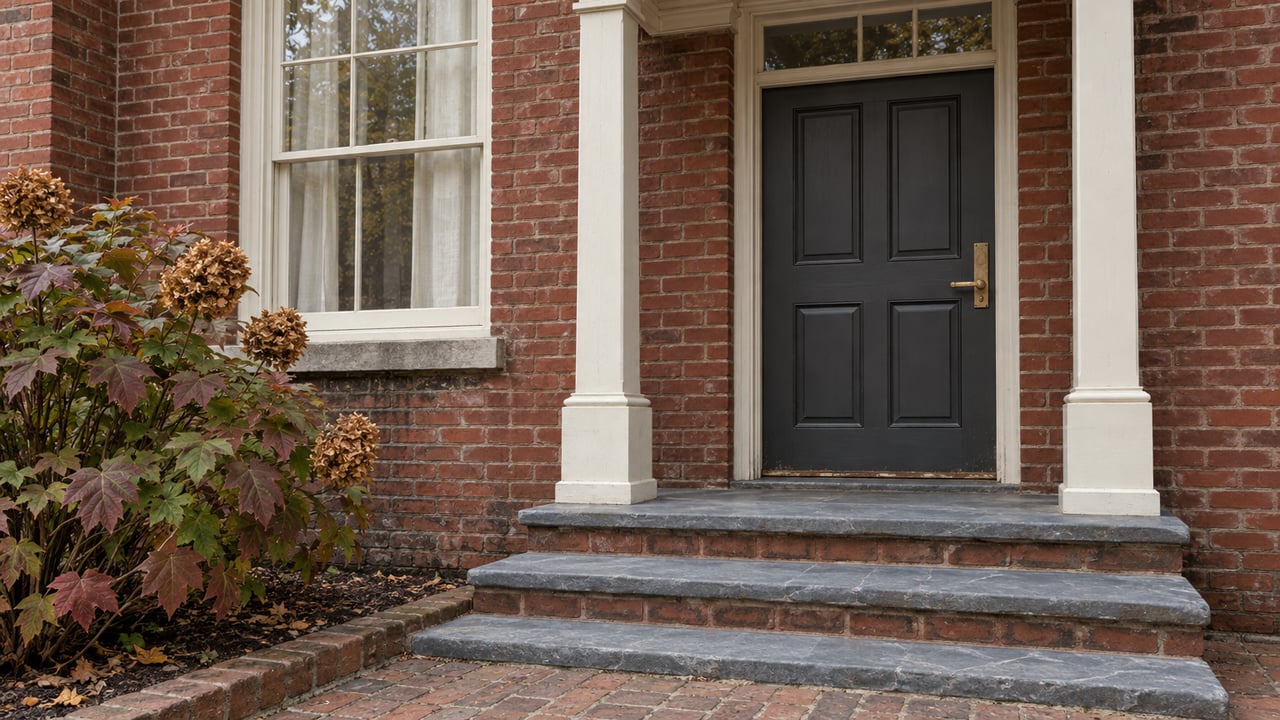
In Takoma Park, porches are not just a nice extra. They are part of the city’s visual identity and, in some cases, part of its protected historic fabric. Montgomery County requires a Historic Area Work Permit for substantive exterior changes in historic areas, including work involving porches and other character-defining features like windows, doors, steps, and shutters.
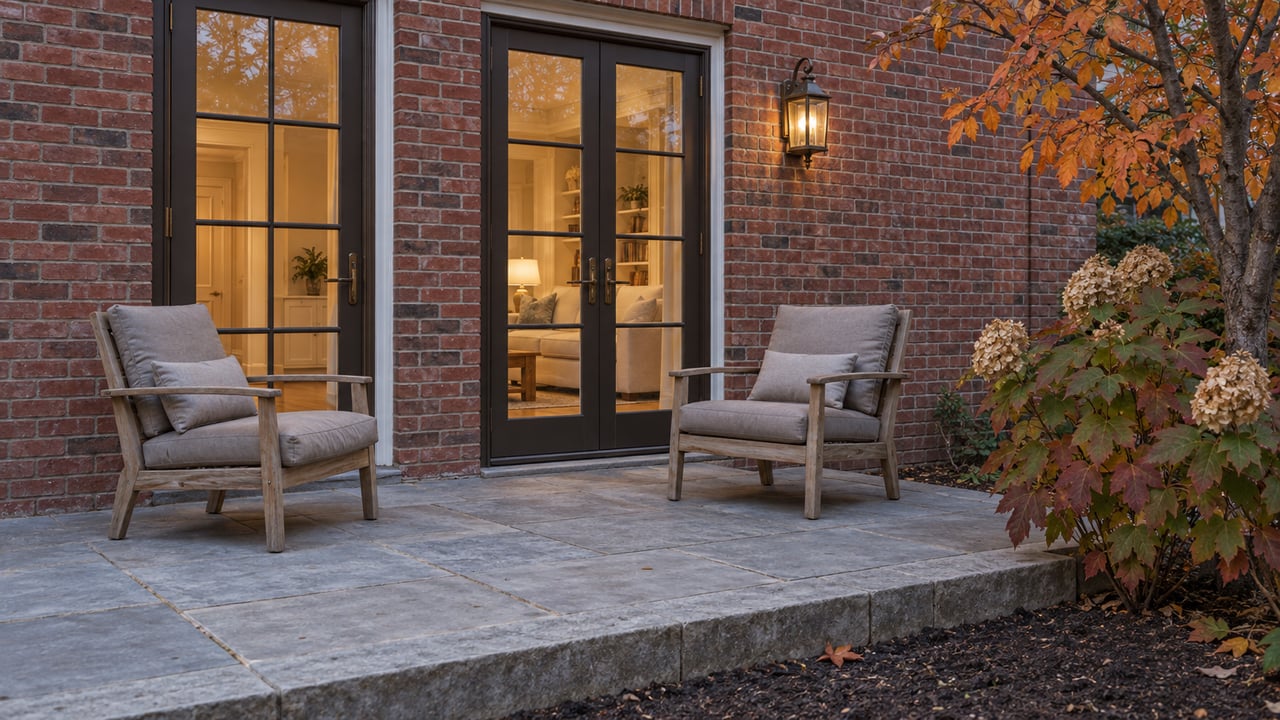
That matters if you are buying an older home and planning updates. It also matters if you are selling and want to understand what buyers may value about original exterior details. In Takoma Park, curb appeal is not just about fresh paint and landscaping. It is often tied to preservation, proportion, and the features that give a home its long-standing character.
A Leafy City With Real Outdoor Access
Takoma Park earns its reputation for greenery. The city describes itself as dense but softened by large trees, and that is not marketing fluff. Stream valley parks along Sligo Creek and Long Branch Creek run through the city and add to the outdoor feel in a very practical way.
Local parks, pavilions, and athletic fields are open from 9 a.m. to dusk. Those spaces support everyday use, whether you want a casual walk, a playground stop, or a place to spend time outside without leaving town. In a compact city, access like that can shape your day-to-day routine more than you might expect.
Sligo Creek Adds Everyday Recreation
For many residents, Sligo Creek is a major part of local life. Montgomery Parks says the Sligo Creek Trail is about 10.2 miles long, hard-surfaced, and one of the county’s oldest trails. The southern end of the broader Sligo Creek Stream Valley Park reaches into Takoma Park, connecting the city to a larger recreational corridor.
If you like places where outdoor time is easy to work into a normal week, that is a real plus. You do not need to plan a full day trip to get fresh air or a bike ride. In Takoma Park, trails and green space are woven into the setting.
Getting Around Is Part of the Appeal
Location matters, but so does how a place functions once you live there. Takoma Park is integrated into the region’s transit network, with signed bike routes, Capital Bikeshare stations, multiple bus operators, and walkable streets. That gives you options, which is often one of the biggest advantages of buying in a close-in community.
The Takoma Metrorail station on Metro’s Red Line serves both Takoma Park and Takoma, D.C. For commuters or anyone who likes easy access into downtown Washington, that connection is a meaningful part of daily life. It is less about occasional convenience and more about having a workable routine.
The city is also within two miles of the Capital Beltway by way of New Hampshire Avenue or University Boulevard. So whether you rely more on transit, biking, walking, or driving, Takoma Park gives you several ways to move through the region.
Local Life Feels Personal
Takoma Park has the kind of community life that people often say they want but do not always find. The Old Takoma business area near the Metro station concentrates daily shopping and dining in a compact, walkable district instead of spreading it out along big auto-oriented corridors. That makes errands, coffee runs, and casual meetups feel a little easier and a little more connected.
Main Street Takoma highlights locally owned businesses, restaurants, live music venues, and shops in the commercial core. The Takoma Park Silver Spring Co-op adds another distinctive piece to the local mix as a community-owned natural foods cooperative. These are not one-off amenities. They help shape the feel of daily life.
The Farmers Market Is a Real Institution
The Takoma Park Farmers Market is open year-round on Sundays from 10 a.m. to 2 p.m. A year-round market says a lot about a place. It creates a recurring weekly rhythm and gives residents a dependable gathering point that is about more than shopping.
For buyers exploring neighborhoods, details like this matter because they help answer a bigger question: what will life actually feel like here on an ordinary weekend? In Takoma Park, the answer often includes walking to familiar local spots and spending time in public spaces that are part of a routine, not just a special occasion.
Arts and Festivals Keep the Calendar Full
Takoma Park’s community life is not limited to shops and parks. The city’s arts programming includes free film screenings, art exhibitions, theater, concerts, and dance performances at the Community Center. There is also Vocal Takoma, a weekly open mic that gives residents a regular venue for music, poetry, and public expression downtown.
That kind of programming adds texture to the city. It gives people more ways to connect locally and makes the area feel active without feeling overbuilt or overprogrammed. For many buyers, that balance is part of the draw.
Festival culture is also strong here. The Takoma Park Folk Festival is a free annual event in September with six music stages, a juried crafts show, international food, community nonprofit tables, and children’s activities. Main Street Takoma also promotes the annual Takoma Park Street Festival, and the city’s Fourth of July parade and street party lean into its Weird and Wonderful tradition.
What Buyers and Sellers Should Notice
Takoma Park is not a one-note market. Recent Census and ACS figures show a 54.2% owner-occupied housing rate, a median owner-occupied home value of $749,200, and a median gross rent of $1,432. In practical terms, that means you are looking at a compact city with a mix of ownership and rental housing, along with a broad range of home styles.
If you are buying, it helps to look beyond square footage alone. In Takoma Park, value often comes from a combination of architecture, condition, location within the city, access to transit and parks, and how well a home’s original character has been maintained. Two homes with similar size can live very differently here.
If you are selling, the details matter just as much. Older housing stock, preservation context, and varied architecture mean buyers tend to notice presentation, upkeep, and authenticity. A smart pricing and prep strategy can help your home stand out for the right reasons.
Why Takoma Park Continues to Attract Attention
Takoma Park offers a combination that is hard to fake. It has historic homes, visible porch culture, mature trees, established parks and trails, walkable local businesses, arts programming, and direct transit access to Washington. That mix gives the city a strong sense of place.
For some people, the appeal starts with architecture. For others, it is the Sunday farmers market, the Red Line, the Sligo Creek Trail, or the fact that local life feels concentrated instead of scattered. However you arrive at it, Takoma Park tends to stand out because it feels both practical and personal.
If you are considering a move in Takoma Park, or preparing to sell a home here, local context matters. The right guidance can help you make sense of pricing, condition, timing, and the small details that shape how a home is seen in a market like this. If you want straight advice and a thoughtful plan, reach out to Stacy Berman.
FAQs
What makes Takoma Park, Maryland, feel unique?
- Takoma Park stands out for its historic homes, front porches, mature tree canopy, stream valley parks, walkable business district, and strong local culture built around markets, arts, and festivals.
What kinds of homes are common in Takoma Park?
- Takoma Park includes historic bungalows, Victorians, modest Colonials, ramblers, and apartment buildings, so the housing stock is varied rather than uniform.
Are historic home changes regulated in Takoma Park?
- Yes. In historic areas, substantive exterior changes may require a Historic Area Work Permit, including work involving porches, windows, doors, steps, and shutters.
What parks and trails are near homes in Takoma Park?
- Takoma Park includes stream valley parks along Sligo Creek and Long Branch Creek, and the Sligo Creek Trail offers about 10.2 miles of hard-surfaced trail access in the broader park system.
How do residents get around Takoma Park and into Washington, D.C.?
- The city has walkable streets, signed bike routes, Capital Bikeshare stations, bus service, and access to the Takoma Metrorail station on the Red Line, plus nearby routes to the Capital Beltway.
What is local life like in Takoma Park on a typical week?
- Local life often centers on the Old Takoma business area, the year-round Sunday farmers market, the co-op, parks, and regular arts programming such as concerts, exhibitions, screenings, and open mic events.