If you’re moving up in Bethesda, the hardest part usually is not deciding whether to make a change. It is figuring out which version of Bethesda actually fits your next chapter. You may want more space, easier routines, a different commute, or a better balance between walkability and quiet, and those tradeoffs can vary a lot from one pocket to the next. This guide breaks down Bethesda’s micro-neighborhoods in plain English so you can compare them with more confidence. Let’s dive in.
Bethesda Works as a Gradient
For move-up buyers, Bethesda makes the most sense when you think of it as a gradient instead of a single neighborhood. Closer to Bethesda Row and the Metro station, you tend to get a more walk-first, condo- and apartment-oriented lifestyle with easy access to restaurants, shops, and transit. As you move farther west and south, daily life generally shifts toward more space, more trees, and more park access.
That big-picture view matters because Bethesda is a major Montgomery County hub, not just a downtown strip. Current Census Bureau data show 30,878 total housing units in the Bethesda CDP, a 64.0% owner-occupied rate, and a median owner-occupied home value of $1,169,900. In other words, this is a mature, high-demand market where choosing the right pocket matters just as much as choosing the right house.
Montgomery Planning’s framework also supports this idea. The Bethesda Downtown Plan focuses on parks and open space, affordable housing, environmental innovation, and economic competitiveness, which helps explain why the area feels like a network of smaller districts instead of one uniform place. For you as a buyer, that means your day-to-day experience can change significantly within a relatively short distance.
Downtown Bethesda for Walkability
If your move-up goal includes keeping a very walkable routine, downtown Bethesda is the clearest place to start. This area includes plan-defined districts such as Bethesda Row and Woodmont Triangle, both of which are closely tied to dining, shopping, and transit. It is the strongest fit for buyers who want to be able to step out the door and get a lot done on foot.
Bethesda Row is a mixed-use district with more than 300,000 square feet of retail and restaurant space, more than 140,000 square feet of office space, and 180 residences. EPA descriptions of the area highlight brick sidewalks, plazas, street trees, outdoor café seating, and a “park once, walk around” pattern. That combination creates one of the most urban-feeling daily routines in Bethesda.
Woodmont Triangle shares that downtown energy, now within the broader Bethesda Downtown Plan. Downtown Bethesda is also described by local business and community sources as a regional destination for dining, boutiques, home décor, and arts activity. If your idea of moving up means having more polished space without giving up restaurant access and a lively street scene, this area checks a lot of boxes.
Transit in Downtown Bethesda
Transit is a major part of downtown Bethesda’s appeal. WMATA identifies Bethesda station on the Red Line, and the station is being updated with a new south mezzanine to connect Metro Rail with the future Purple Line Bethesda station. Maryland Transit Administration says Purple Line passenger service is currently expected in late 2027.
For local errands, the free Bethesda Circulator helps a lot. It runs Monday through Friday from 7 a.m. to 11 p.m. and Saturday from 10 a.m. to 11 p.m., connecting places like Bethesda Metro Station, Woodmont Avenue, Bethesda Avenue, Battery Lane, and Bradley Boulevard. Montgomery County Ride On buses are also zero-fare countywide, which adds flexibility if you want more transportation options without relying on a car for every trip.
Battery Lane for a Softer Downtown Edge
Battery Lane sits in an interesting middle zone for move-up buyers. You are still close to downtown Bethesda, but the housing mix and overall feel create a slightly different rhythm than the busiest core blocks. If you want a downtown-adjacent lifestyle with a bit more separation, this area deserves a close look.
A 2023 planning submission describes the Battery Lane District as a residential neighborhood with multi-family garden and high-rise rental apartments, high-rise condominium communities, a senior living facility, and nearby detached homes, offices, and retail. That mix makes it one of Bethesda’s clearest transition zones for buyers moving from a smaller condo or starter property into something with a different size, layout, or ownership style.
Battery Lane also benefits from useful outdoor space. Battery Lane Park is a 2-acre park with an accessible playground, basketball court, tennis court, fitness stations, picnic tables, and open space. The Bethesda Trolley Trail passes through the park, and planning materials note bike-share access plus pedestrian and bicycle connections to Woodmont Triangle and the downtown core.
Why Battery Lane Appeals to Move-Up Buyers
This area can make sense if you want to stay tied to downtown but avoid being in the middle of its busiest blocks. The Circulator includes Battery Lane stops, which helps with local mobility. In practical terms, Battery Lane often fits buyers who still value walkability but also want a residential setting that feels a touch more removed.
Edgemoor and Battery Park for Close-In Houses
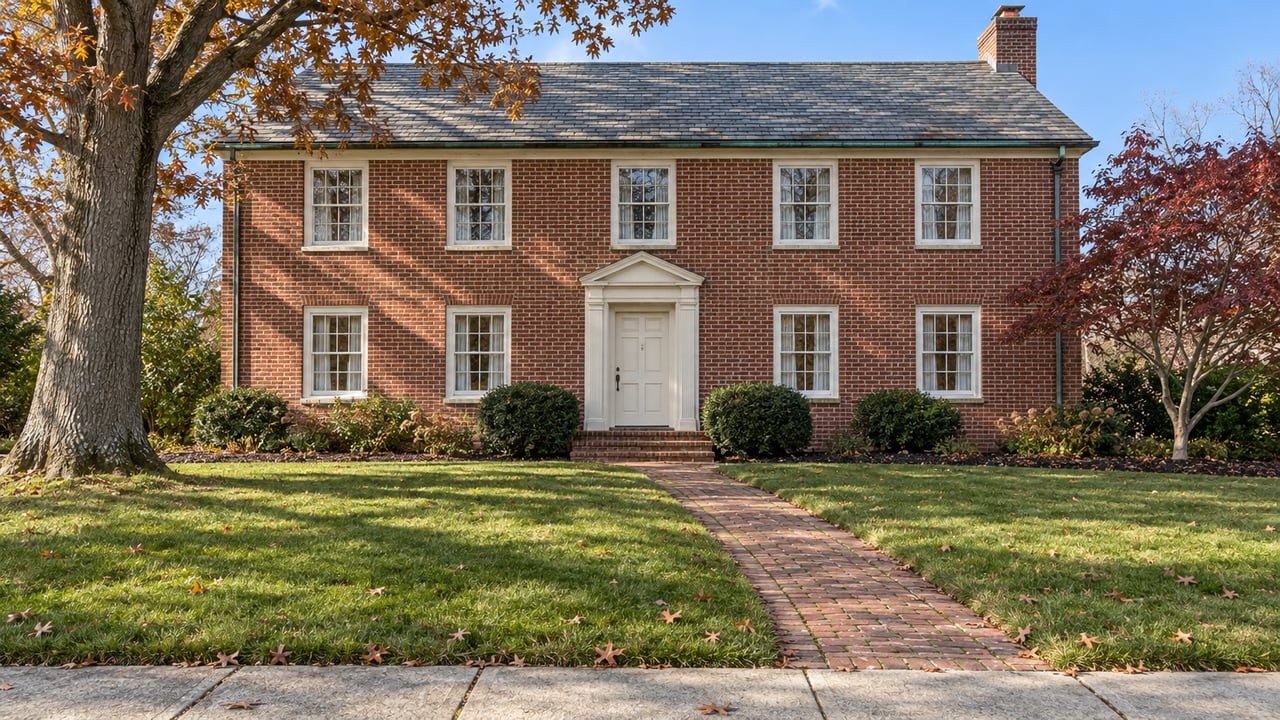
If your move-up plan is really about shifting from condo living to a detached home near downtown, Edgemoor and Battery Park stand out. These are some of Bethesda’s clearest close-in house pockets, with older housing patterns and long-established neighborhood organizations. You still get proximity to the core, but the housing form is very different.
Edgemoor Citizens Association says it serves just over 500 households adjacent to downtown Bethesda. Battery Park’s history traces back to a subdivision approved in 1923 on a 53.59-acre tract, with the first houses completed by the end of that year and early construction favoring Dutch Colonial design. Together, those details point to an older detached-home setting rather than a condo-heavy district.
Battery Park’s community house, tennis courts, grounds, and neighborhood traditions add to the area’s civic-club feel. Edgemoor’s association also emphasizes civic and social activity close to downtown. For a move-up buyer, the appeal is pretty straightforward: you may be able to gain house-style living while staying very close to the Bethesda core.
Glen Echo Heights and Potomac Overlook for Nature Access
Some buyers moving up are not chasing maximum walkability. They are looking for more setting, more privacy, and a stronger connection to outdoor recreation. If that sounds like you, Glen Echo Heights and Potomac Overlook offer a different side of Bethesda.
Montgomery Planning says Glen Echo Heights includes many mid-century modern houses, including more than 30 designed by Donald Lethbridge and his associates between 1957 and 1961. Potomac Overlook consists of 19 houses on a nine-acre tract arranged on steep terrain that other developers had passed over. That gives this pocket a more distinctive, terrain-shaped feel than many closer-in grid neighborhoods.
Nearby recreation is a major draw. Glen Echo Park serves more than 300,000 people each year, and its directions page notes daily Ride On Route 29 service from Bethesda and Friendship Heights Metro stations. The broader area also benefits from access to Glen Echo Park, the C&O Canal, and the Capital Crescent Trail corridor.
Who This Area Fits Best
Compared with downtown Bethesda, this pocket leans more toward wooded setting, views, and recreation access than immediate Metro adjacency. If your next move is about changing how home feels on a daily basis, not just adding square footage, this part of Bethesda may deserve a place on your list.
Bradley Hills for Park-Buffered Living
Bradley Hills gives move-up buyers another detached-home-oriented option, but with a different emphasis. In this part of Bethesda, the draw is less about downtown intensity and more about a park-buffered residential feel with strong road access. If you want breathing room while still staying connected to the larger Bethesda area, Bradley Hills can stand out.
The Bradley Hills Neighborhood Conservation Area remains undeveloped to help maintain the natural environment. Bethesda Downtown Plan implementation materials also identify neighborhood greens intended to buffer nearby single-family homes from redevelopment pressure along Bradley Boulevard. That planning context helps explain why this area feels more separated from the downtown streetwall environment.
Local recreation adds to that identity. Hillmead Neighborhood Park includes playgrounds, a basketball court, and two tennis courts, while McCrillis House & Gardens offers a five-acre naturalistic garden in a residential Bethesda setting. The overall impression is more green and residential, with less of the immediate commercial buzz found in the core.
Access and Daily Routine in Bradley Hills
Montgomery Planning notes that Bethesda-Chevy Chase connects to the Beltway and major roads such as East-West Highway, Connecticut Avenue, and Jones Bridge Road. The Bethesda Circulator also stops on Bradley Boulevard near Strathmore Street and Wellington Drive. So while this area is less walk-first than downtown, it still offers useful regional access.
How to Compare Bethesda Pockets
When you are moving up, it helps to compare neighborhoods based on the routine you want, not just the home size you want. Bethesda’s micro-neighborhoods each solve a different problem. The best fit depends on what you are trying to keep from your current lifestyle and what you are ready to change.
Here is a simple way to frame the options:
- Most walk-first: Downtown Bethesda, Bethesda Row, Woodmont Triangle, and Battery Lane
- Most condo- or apartment-oriented: Downtown Bethesda, Woodmont Triangle, and Battery Lane
- Most detached-home oriented: Edgemoor, Battery Park, Glen Echo Heights, Potomac Overlook, and Bradley Hills
- Most recreation-centered: Glen Echo Heights, Potomac Overlook, and Bradley Hills
- Most close-in house option near downtown: Edgemoor and Battery Park
That is why a move-up search in Bethesda is rarely just about price point. It is often about deciding how much you want to prioritize walkability, transit, park access, housing type, and commute style.
One 2026 Transit Note to Keep in Mind
If transit is part of your decision, check current conditions before you buy. Bethesda station is being rebuilt for Purple Line integration, and Purple Line passenger service is currently expected in late 2027. That does not change Bethesda’s long-term connectivity story, but it can affect short-term commuting patterns and station access during your search.
Choosing the Right Bethesda Fit
The smart way to shop Bethesda as a move-up buyer is to narrow your search by lifestyle first. Ask yourself whether your next step is about walkability, detached-home living, access to trails and parks, or a more flexible middle ground like Battery Lane. Once that is clear, the housing options tend to make much more sense.
Bethesda gives you several versions of “moving up,” and that is exactly what makes the area so appealing. If you want clear-eyed guidance on how these micro-neighborhoods compare in real life, Stacy Berman can help you sort through the tradeoffs and find the right fit for your next move.
FAQs
Which Bethesda areas are best for walkability for move-up buyers?
- Downtown Bethesda, Bethesda Row, Woodmont Triangle, and Battery Lane are the clearest walk-first options because they sit closest to Metro, the Circulator, and connected trail access.
Which Bethesda micro-neighborhoods have more detached homes?
- Edgemoor, Battery Park, Glen Echo Heights, Potomac Overlook, and Bradley Hills are the most detached-home-oriented pockets discussed in this guide.
Which Bethesda areas feel closest to downtown but more residential?
- Battery Lane, Edgemoor, and Battery Park offer close access to the Bethesda core while feeling more residential than the busiest downtown blocks.
Which Bethesda neighborhoods offer strong recreation access?
- Glen Echo Heights and Potomac Overlook stand out for access to Glen Echo Park and the broader C&O Canal and Capital Crescent corridor, while Bradley Hills offers conservation land and neighborhood parks.
What should Bethesda buyers know about transit in 2026?
- Bethesda station is being updated for the future Purple Line connection, and Purple Line passenger service is currently expected in late 2027, so you should verify current station access and commute conditions as you search.