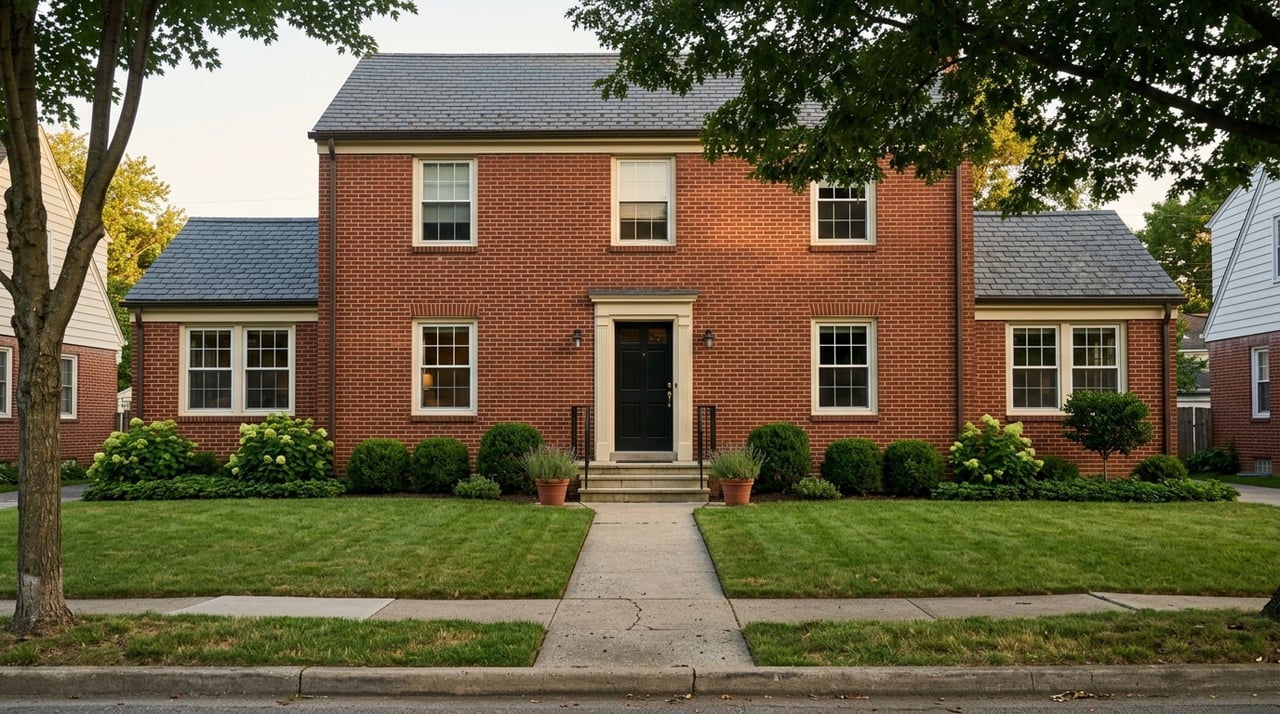
What if you could have a quieter, more residential feel without giving up day-to-day access to the city? That is the big draw of Upper Northwest DC for many buyers and sellers. If you are trying to figure out whether this part of Washington fits your lifestyle, this guide will help you understand the housing, transit, and everyday feel of the area. Let’s dive in.
Why Upper Northwest Feels Different
Upper Northwest DC is best understood as a group of mostly residential neighborhoods organized around local commercial corridors. In Ward 3, that often means intact 20th-century neighborhoods with detached homes, rowhouses, duplexes, triplexes, apartment buildings along major avenues, and planned neighborhood shopping centers. In Ward 4, the pattern is also largely residential, with Georgia Avenue as a major commercial spine and smaller commercial areas in places like Takoma and Brightwood.
In plain English, the lifestyle pattern is fairly consistent: quieter interior blocks, busier main corridors, and practical access to shops, restaurants, and transit. That balance is a big reason Upper Northwest appeals to people who want a calmer home base while staying connected to the rest of DC.
What “Quiet Streets And City Access” Really Means
In this part of the city, quiet usually does not mean isolated. It often means your home sits on a more residential side street, while your daily errands, transit options, and neighborhood activity cluster along avenues like Connecticut Avenue, Georgia Avenue, 14th Street, or near local commercial centers.
That setup can be especially appealing if you want a neighborhood that feels established and livable. You may not get the same block-by-block intensity you would find in more central neighborhoods, but you often gain a little breathing room, more greenery, and a steadier residential rhythm.
Chevy Chase DC: Park-Like And Planned
Chevy Chase DC has one of the most clearly planned identities in Upper Northwest. It developed in the early 20th century along the Connecticut Avenue streetcar line, and its historic character includes tree-lined streets, setbacks, rear alleys, and a mix of architectural styles such as Queen Anne, Colonial Revival, Tudor Revival, Spanish Colonial Revival, Bungalow/Craftsman, Moderne, and Art Deco.
The neighborhood includes single dwellings, twin houses, apartment buildings, commercial buildings, churches, a school, and secondary structures. For buyers, that means you can find more than one housing type here, even though the overall feel is polished and residential.
What stands out most is the contrast between calm residential blocks and the activity concentrated along Connecticut Avenue and nearby commercial nodes. The 2022 Chevy Chase Small Area Plan was created to guide new housing, retail, and community amenities along upper Connecticut Avenue NW, which reinforces that corridor-based pattern.
Everyday Life In Chevy Chase DC
If you like a neighborhood that feels a bit more suburban in form while still being in DC, Chevy Chase often fits the bill. The streetscape was deliberately designed to feel park-like, and that still shapes the experience today.
For transit, Chevy Chase leans more on bus service along Connecticut Avenue and access to nearby Red Line stations. WMATA identifies the D70 as the Connecticut Avenue route toward Chevy Chase Circle, while Tenleytown-AU and Friendship Heights provide Red Line access along the Wisconsin Avenue corridor. Friendship Heights also offers direct access to major shopping centers, which matters for daily convenience.
Takoma: Historic Character With Rail Access
Takoma has a different personality. It is a late-19th- and early-20th-century streetcar suburb that sits along the DC and Maryland border and shares a commercial center with Takoma Park, Maryland.
Planning documents describe Takoma’s housing stock as including Victorian and bungalow-style single-family homes, along with Victorian cottages and transitional houses with Colonial Revival details. If you are drawn to older homes, a compact commercial district, and a neighborhood with a recognizable main-street feel, Takoma is often a strong match.
The commercial core is important to the way Takoma functions. The Takoma Central District Plan was created to support reinvestment in that neighborhood commercial district, and the area’s layout supports a more walkable daily pattern than a purely car-dependent setting.
Transit In Takoma
Takoma has the clearest rail identity in Upper Northwest. WMATA lists Takoma Station on the Red Line serving Takoma and Takoma Park, with bike racks, lockers, and bikesharing available.
The station does not offer daily parking, which is useful to know if you are planning your routine in advance. WMATA also notes crosstown service through the C77 between Takoma and Fort Totten, and the D5X runs between Takoma Station and Metro Center while following 14th Street and stopping near Brightwood-adjacent locations such as Butternut, Aspen, and Missouri.
Brightwood: Flexible And Corridor-Oriented
Brightwood is the most mixed of the three areas covered here. Planning descriptions note townhouses, small apartment buildings, and single-family homes, while older planning reports describe low- to moderate-density residential land use with commercial activity along Upper Georgia Avenue, 14th Street, and Kennedy Street.
That mix gives Brightwood a different feel from Chevy Chase. It is less purely residential in character, but it still offers quiet side streets away from the busier corridors.
For many buyers, Brightwood works well when convenience matters. If you want housing variety and practical access to commercial strips and transit routes, it can be a very sensible option.
Getting Around From Brightwood
Brightwood’s transit story is tied to its corridor network. Bus routes connect the area to Takoma, Fort Totten, Georgia Avenue-Petworth, and downtown, which supports a bus-plus-rail routine for many residents.
Planning and preservation documents also note the historic role of streetcars, buses, and downtown-worker demand in shaping apartment development along 14th Street. Today, that history still shows up in the neighborhood’s more connected, corridor-based layout.
Walkability Works Best Near The Cores
One of the most helpful things to know about Upper Northwest is that walkability is not identical on every block. It tends to be strongest near neighborhood commercial centers and major corridors.
Ward 3 planning describes many neighborhoods as having a commercial core with local shops and restaurants, surrounded by apartments and townhouses, and then single-family homes farther out. Ward 4 planning highlights Takoma’s shared commercial center and Brightwood’s local commercial areas on Georgia Avenue, Kennedy Street, and 14th Street.
That means your day-to-day experience can vary a lot depending on exactly where you live. A home a few blocks deeper into a neighborhood may feel much quieter, while a home closer to a corridor may offer easier errand access and a faster transit routine.
Greenery Adds To The Appeal
Upper Northwest’s quieter reputation is not just about traffic or housing density. Greenery and open space are part of the story too.
Ward 3 planning describes many neighborhoods as set among tall trees and parks. Ward 4 planning notes that neighborhoods along 16th Street sit against Rock Creek Park and tributary parks, which supports the sense that this part of DC can feel more residential and buffered than more central areas.
If you are moving from a denser part of the city, that difference can feel meaningful. You are still in Washington, but the day-to-day atmosphere may feel a little calmer and more spacious.
Which Upper Northwest Area Fits You Best?
If you are comparing neighborhoods, it helps to think less in terms of “best” and more in terms of fit. Upper Northwest offers several versions of the quiet-streets-plus-city-access formula.
Choose Chevy Chase DC If You Want
- A more planned, park-like streetscape
- Early-20th-century architecture and established residential blocks
- Connecticut Avenue retail access
- Bus access with nearby Red Line connections
Choose Takoma If You Want
- A classic streetcar-suburb feel
- Victorian and bungalow housing character
- A compact commercial center
- Direct Red Line access
Choose Brightwood If You Want
- A broader mix of housing types
- Strong corridor access along Georgia Avenue, 14th Street, or Kennedy Street
- Bus connectivity to nearby rail and downtown destinations
- A neighborhood that balances residential blocks with practical convenience
What Buyers And Sellers Should Keep In Mind
If you are buying in Upper Northwest, the main question is often how you want to balance housing style, transit, and proximity to commercial corridors. Two homes in the same general area can feel very different based on whether they sit near a main avenue or on a quieter interior block.
If you are selling, that same nuance matters in pricing and positioning. Buyers are often responding not just to square footage or finishes, but also to the specific lifestyle a block offers, whether that means a more tucked-away setting, quicker transit access, or easier walks to neighborhood amenities.
This is where local context matters. In Upper Northwest, the small differences between micro-locations can have a real impact on how a home is perceived.
If you are thinking about a move in Upper Northwest DC or nearby Maryland, Stacy Berman can help you sort through the tradeoffs with clear advice, local perspective, and a practical plan.
FAQs
What is Upper Northwest DC known for?
- Upper Northwest DC is known for largely residential neighborhoods, quieter interior streets, local commercial corridors, varied housing types, and practical access to transit and everyday amenities.
What is the feel of Chevy Chase DC?
- Chevy Chase DC has a planned, park-like feel with tree-lined streets, early-20th-century architecture, and retail activity centered along Connecticut Avenue.
Does Takoma have Metro access?
- Yes. Takoma Station is on the Red Line, and WMATA identifies it as serving the Takoma and Takoma Park neighborhoods.
What kind of housing is common in Brightwood?
- Brightwood includes townhouses, small apartment buildings, and single-family homes, with commercial activity concentrated along major corridors.
Is Upper Northwest DC walkable?
- Walkability varies by block, but it is generally strongest near neighborhood commercial centers and major corridors rather than evenly spread across every residential street.
Is Upper Northwest DC a good fit if you want quiet streets and city access?
- For many buyers, yes. Upper Northwest is defined by a pattern of quieter residential blocks paired with access to transit, shops, and neighborhood commercial areas.